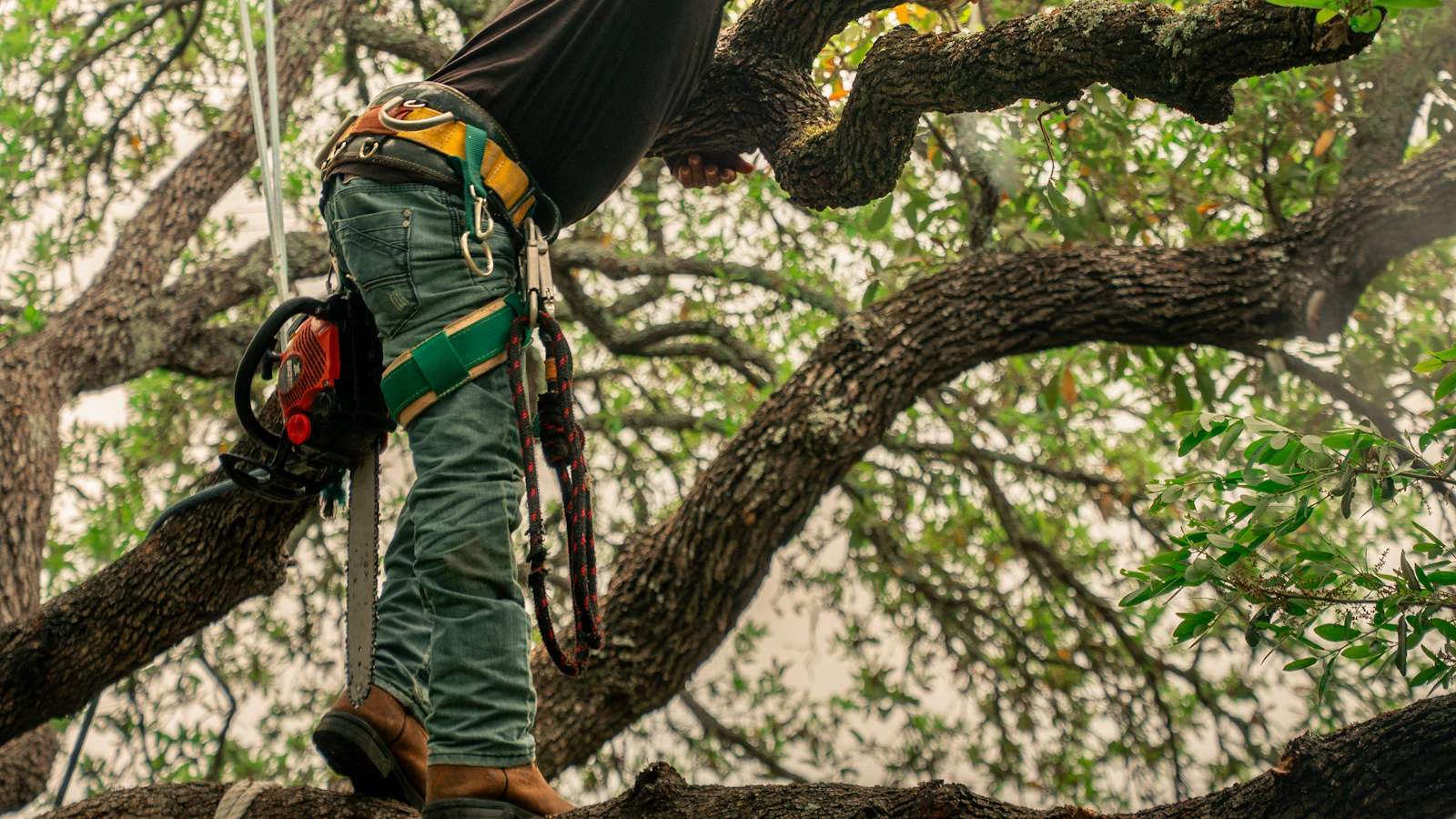
Tree service SEO in North Miami Beach works best when you treat it like a hurricane-season plan. Build the foundation before June (a complete Google Business Profile, one page per service, a plain-language permits page), keep your profile and site current when a storm is forecast, handle the surge of emergency searches calmly the morning after, and use the quiet months to publish the pruning and preparation content people look for before the next season.
Key takeaways
- The Atlantic hurricane season runs June 1 to November 30. Your online presence should be ready before it starts, not built during it.
- Build a separate page for each job type: tree trimming, palm trimming, tree removal, stump grinding, hurricane prep, storm cleanup and emergency removal.
- A permits page that accurately explains the City of North Miami Beach and Miami-Dade County rules answers a real question and builds trust.
- When a storm is forecast, update your Google Business Profile hours and post a clear status. Accurate information beats clever marketing every time.
- After the storm, ask for honest reviews and document the work with photos. Never buy, filter or fake reviews; the FTC's 2024 rule made that a federal matter.
Situation overview
This is a briefing, not a sales pitch. If you run a tree company in North Miami Beach, your year has a rhythm: steady calls in the dry months, then a named storm in the forecast changes everything overnight.
The people who need you most are often searching under stress, on a phone, sometimes with spotty power. What they find depends on work you did months earlier. That is the whole idea behind tree service SEO: getting your company in front of the right searcher at the right moment, with information they can trust. Good SEO for tree service companies is less about tricks and more about readiness.
The National Hurricane Center states that the Atlantic hurricane season runs from June 1 to November 30. This plan follows that calendar in five phases:
- Before the season: the foundation.
- When a storm is forecast: status updates and readiness.
- The morning after: call handling and emergency searches.
- Weeks after: reviews, photos and follow-up questions.
- Off-season: education and steady content.
Before the season: lay the foundation
Everything else in this plan depends on three pieces being in place before June: your Google Business Profile, your service pages, and a permits page. Think of it as checking the generator and the chainsaw chains before anything is in the forecast.
Your Google Business Profile
Your Google Business Profile is what shows in the map results when someone types "tree removal near me." Get the basics right: exact business name, a primary category that matches your work, phone, hours, and a plain description of your services and areas.
Most tree companies work at the customer's property, not at a storefront. Google treats that as a service-area business. According to Google's service-area guidance, if you don't serve customers at your address, you should remove the address from your profile and list your service areas instead. You can list up to 20 areas, by city or ZIP code, and you can't set them as a radius around your shop. Google also says the overall area should stay within about two hours of driving time from your business.
Action: Remove your street address if customers don't visit it, and list the cities and ZIP codes you actually serve.
For a deeper walkthrough of setup, categories and photos, see our guide to Google Business Profile for North Miami Beach businesses.
One page per service
A single "Services" page that lists everything in one paragraph will not rank well for any of it. Someone searching "stump grinding" wants a page about stump grinding. Someone searching "emergency tree removal" wants to know right away whether you answer after storms.
Action: Build a dedicated page for each service you want to be found for, starting with the ones that bring in the most revenue.

The service page plan
Here is a working page layout for a North Miami Beach tree company, with what each searcher needs to see.
| Job type | Page to build | What the searcher needs to see |
|---|---|---|
| Tree trimming | Tree Trimming & Pruning | What proper pruning looks like, how often to schedule it, photos of your crew's work, and how to get an estimate |
| Palm trimming | Palm Tree Trimming | The palm types you handle, why over-trimming hurts palms, coconut and seed pod removal, and seasonal timing |
| Tree removal | Tree Removal | Your process from assessment to cleanup, how permits are handled, insurance coverage, and what affects the price |
| Stump grinding | Stump Grinding & Removal | Grinding depth, what happens to the chips, access requirements for the grinder, and whether it can be added to a removal job |
| Hurricane prep | Hurricane Tree Preparation | What gets done before a storm, when to book (well before a forecast), and how a certified arborist assesses risk |
| Storm cleanup | Storm Damage Cleanup | How you prioritize jobs after a storm, debris hauling, and how to document damage for an insurance claim |
| Emergency removal | Emergency Tree Removal | A phone number at the top of the page, real availability, what counts as an emergency, and safety instructions while they wait |
Each page should name your service areas, show real photos, and give a clear way to call. If your crew includes an ISA Certified Arborist, say so on the relevant pages and name the person. The International Society of Arboriculture describes it as a credential for people trained and knowledgeable in all aspects of arboriculture who adhere to its Code of Ethics. It also matters for the permit discussion below. Only claim it if it is true.
Our landscaper SEO guide for North Miami Beach covers separating recurring maintenance pages from one-off project pages, which carries over well to tree work. If you need these pages built to load fast on a phone, that is what our website design team does.
Before the season: the permits page
Homeowners often ask whether they need a permit to remove a tree. An accurate permits page answers that question and earns trust. The rule for this page is simple: state only what the official sources say, and link to them.
Here is what the official sources say as of this writing:
- Miami-Dade County. The county's tree removal and relocation permit page says a permit is required to remove or relocate any tree in Miami-Dade County unless it is specifically exempt. It also lists North Miami Beach among the municipalities with their own tree ordinances, and says a separate county authorization is not generally required in those cities except in the specific cases the page describes. The county also says a permit is not required for proper pruning or trimming done to the current ANSI A-300 standard.
- City of North Miami Beach. The city publishes a Tree Removal Permit application through its Community Development Department. It requires replacement planting (at least one shade tree or three palms per approved removal) and lists application and mitigation fees. Link to the form rather than copying fees onto your site.
- Florida Statutes section 163.045. This state law says a local government may not require a notice, application, approval, permit, fee or mitigation for pruning, trimming or removing a tree on residential property if the owner has documentation from an ISA certified arborist or a Florida licensed landscape architect showing the tree poses an unacceptable risk. "Residential property" means a lot with a single-family detached home actively used as one, and the statute does not apply to mangroves.
Keep it factual, tell readers to confirm current requirements with the city before work begins, and never tell people they can skip a permit. Explain how your company handles the paperwork.
Action: Publish a permits page with links to the city form, the county page and the statute, and review it at the start of every season.
When a storm is forecast
When a system enters the forecast cone, homeowners search for last-minute trimming and your schedule fills. Your job online is to be accurate and easy to reach.
Update your hours honestly
If you add weekend hours or close to secure equipment, reflect that on your profile. Google's special hours guidance explains that special hours let you show temporary changes without touching your regular schedule. Google also notes that if you are closed for seven or more days in a row, you should mark the business as temporarily closed instead.
Action: Set special hours as soon as your plan changes, and remove them when you return to normal.
Post a clear status
Use a profile post and a homepage banner to say whether you are taking pre-storm jobs, how to get on the after-storm list, and which number to call. Skip the fear-based language. Calm, specific information is what earns the call.
Check your emergency page
Is the phone number at the top and tappable? Does the page say what happens when someone calls? Does it include basic safety guidance, like staying away from downed lines? This page carries the heaviest load in the days ahead.
Action: Test your emergency page on a phone, on a slow connection, before the storm arrives.
The morning after
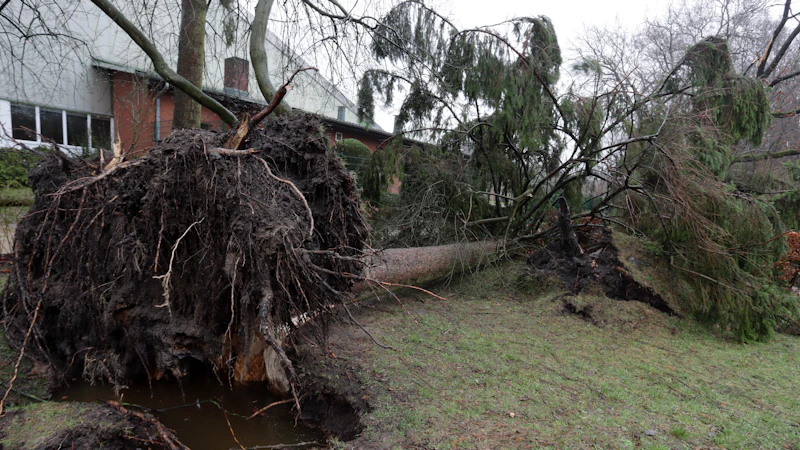
After a storm, people search for emergency tree removal and storm cleanup on phones with limited battery. They call the first company that looks credible and available. This is where the foundation work pays off.
Handle the calls
SEO does nothing if calls go to a full voicemail box. Decide in advance who answers, how jobs are triaged (a tree on a roof before a limb in the yard), and what callers hear if you are booked. An honest "we are booked through Thursday, here is how to get on the list" keeps your reputation intact.
Action: Write a short call script and a triage order before the season, and keep it with the person answering the phone.
Be honest about pricing
People remember who treated them fairly after a storm. Explain on your storm cleanup page what drives the cost (size, access, proximity to structures, haul-away) and whether estimates are free. You don't need exact prices, but never be vague in a way that feels like a trap. If availability changes during cleanup, update your profile again.
Roofers often work the same streets you do. Our roofer SEO guide for North Miami Beach covers storm-driven demand from the roofing side.
Weeks after: reviews, photos and insurance questions
Once urgent work slows, collect the evidence of what you did and turn it into long-term visibility.
Ask for honest reviews
Send a short text with a direct review link once the yard is clean. Ask every customer, not just the ones you expect to be happy.
Be careful here. The FTC announced a final rule in August 2024 banning fake reviews and testimonials. It prohibits buying reviews, incentives conditioned on a positive or negative review, undisclosed insider reviews, and intimidation to suppress negative ones, and the FTC says it can seek civil penalties against knowing violators.
Action: Ask every customer for an honest review, respond to every review calmly, and never pay for, filter or write reviews.
Document the work with photos
Before-and-after photos work on your profile, your service pages and your customers' records. Name files descriptively ("palm-trimming-north-miami-beach.jpg"), write real alt text, and get permission before posting anything that clearly shows a home.
Answer the insurance questions
Homeowners will ask how tree work relates to their insurance claim. You are not their insurance adviser, but you can publish a practical documentation page: photograph damage before work begins, keep the invoice, ask for a written description of the work, and check coverage with the insurer.
The pressure washing SEO guide in this series shows how a related cleanup trade structures its service pages.
Off-season: steady content and pruning education
December through May is when you make next season easier. Crews have more time, and homeowners are more willing to read and plan. Publish articles that answer the questions you hear on job sites:
- When to trim palms, and why removing too many green fronds weakens them.
- What a pre-season hurricane assessment includes, and why to book it before June.
- How to tell if a tree may be a risk to your home, and when to call a certified arborist.
- What happens during stump grinding, and what to do with the space afterward.
- How tree permits work in North Miami Beach, linked back to your permits page.
Link each article to its matching service page and back. It is also the time for a full review: profile categories, service areas, page speed, photos, and any changes to city or county permit forms. Steady local SEO work in the quiet months is what keeps you visible when the next forecast arrives. Our Google Maps SEO service focuses specifically on the map results where most of these calls begin.
Action: Publish at least one helpful article a month during the off-season, each linked to the matching service page.
Standing orders for the whole year
- Accuracy first. Hours, service areas, phone numbers and permit information stay current.
- Honest reviews only. Ask everyone, respond to everyone, buy nothing.
- Calm language. No fear tactics, inflated claims or credentials you don't hold.
- Debrief after every season. What worked, which calls you missed, which pages people used.
Ribacoff Enterprises is headquartered in North Miami Beach and does local SEO Miami service companies rely on through storm season. Our North Miami Beach SEO and Miami SEO pages explain how we approach SEO Miami businesses can count on. If you want an honest look at where your tree service marketing stands before next June, request a free audit and we will walk you through it.
Frequently asked questions
What is tree service SEO?
Tree service SEO is the work of getting your tree company found on Google when people search for services like tree trimming, palm trimming, tree removal, stump grinding or emergency storm cleanup. It covers your Google Business Profile, a dedicated page for each service, reviews, photos and helpful articles.
When should a tree company in North Miami Beach start preparing its online presence for hurricane season?
Before the season starts. The National Hurricane Center says the Atlantic hurricane season runs from June 1 to November 30, so your Google Business Profile, service pages, emergency page and permits page should be complete and tested well before June.
Does North Miami Beach require a permit to remove a tree?
The City of North Miami Beach publishes a Tree Removal Permit application that requires replacement planting and lists application and mitigation fees, and Miami-Dade County lists North Miami Beach as a city with its own tree ordinance. Florida Statutes section 163.045 sets out an exception for certain residential trees documented as an unacceptable risk by an ISA certified arborist or Florida licensed landscape architect. Always confirm current requirements with the city before work begins.
Should I update my Google Business Profile hours before a hurricane?
Yes. Google's guidance says special hours let you show temporary changes without changing your regular hours. If you will be closed for seven or more days in a row, Google recommends marking the business as temporarily closed instead.
Can I offer customers a discount for leaving a review after storm work?
Not if the incentive depends on the review being positive. The FTC's 2024 final rule prohibits offering compensation or incentives conditioned on a review expressing a particular sentiment, along with fake reviews and undisclosed insider reviews. The safe approach is to ask every customer for an honest review with no strings attached.