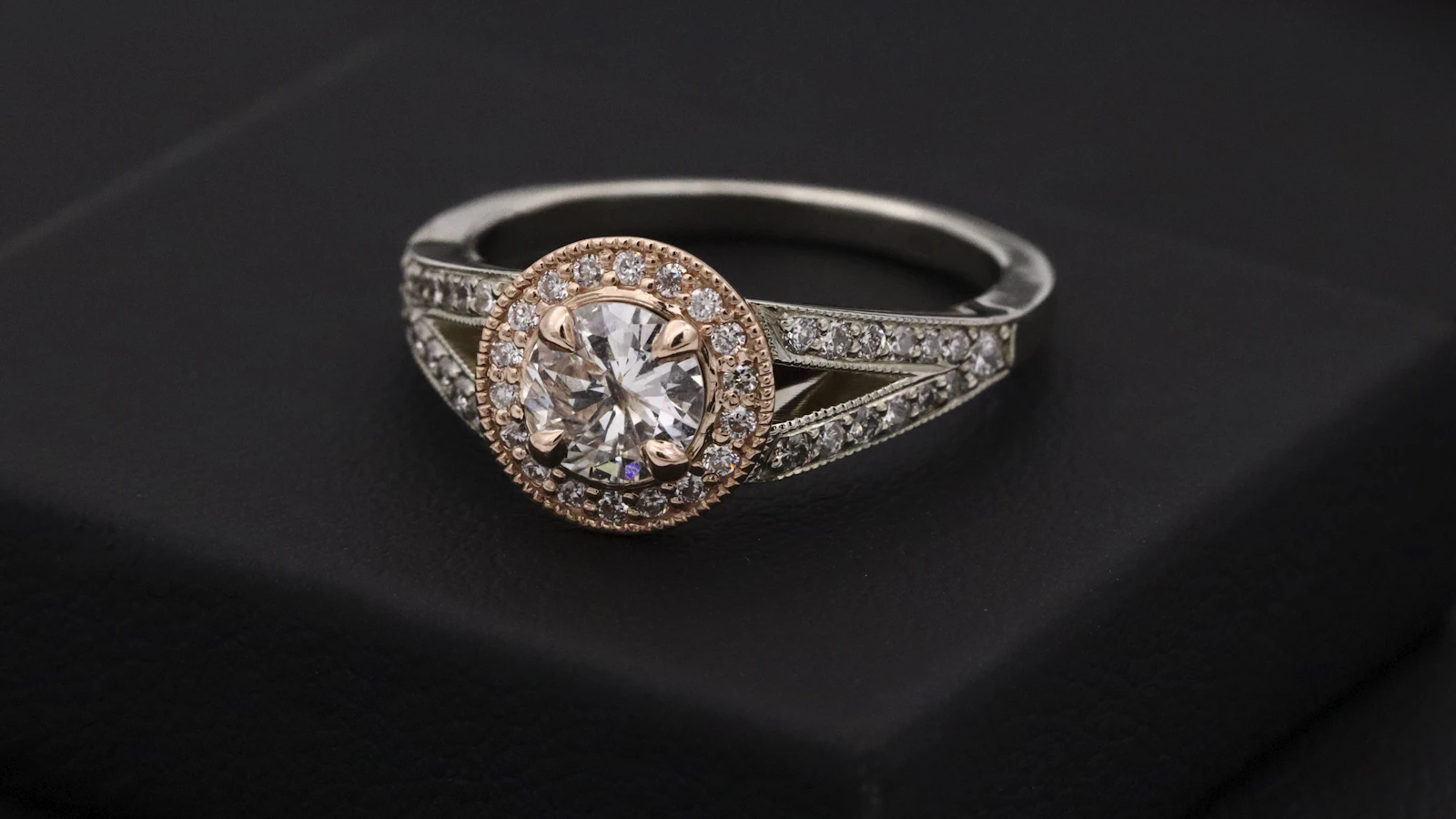
Good SEO for jewelers rests on the same discipline you apply at the bench: grade every part of the business honestly. Build a dedicated page for each category and service you offer, photograph pieces as if the photo were the sale, describe stones and metals in the precise language federal rules require, and earn authority through reviews, local press and genuinely useful guides. For a North Miami Beach jewelry store, add a carefully kept Google Business Profile and clean structured data, and the store starts appearing where nearby buyers are actually looking.
Key takeaways
- Cut: one strong page per category and service (engagement rings, custom design, repair, watch service, appraisals, gold buying). A single "Services" page cannot rank for seven different searches.
- Color: buyers cannot hold a ring through a screen, so photography and video do much of the selling. Treat the image library as inventory.
- Clarity: the FTC Jewelry Guides set out how to describe lab-grown diamonds, karat gold and plated metals. Honest copy is both a legal safeguard and a trust signal.
- Carat: authority comes from reviews, earned links and content that answers real buyer questions, not from volume.
- Certificate: credentials, policies and schema markup tell buyers and search engines precisely who you are.
Grading your store the way you would grade a stone
Every serious jeweler knows the vocabulary. The Gemological Institute of America describes diamond quality through the 4Cs: color, clarity, cut and carat weight. No single factor makes a stone; the value lives in how they work together.
A jewelry store's presence in search behaves the same way. A handsome website with thin category pages underperforms. Excellent reviews on an inconsistent business profile leak buyers to the store down the street. So this guide grades a store across five qualities: Cut, Color, Clarity, Carat and, because no fine piece leaves the case without one, the Certificate.
A North Miami Beach jeweler serves a mixed clientele: couples shopping for engagement rings, collectors with a vintage watch, families needing an estate appraisal, walk-ins hoping to sell an old chain. Each types something different into Google. Good jewelry store SEO answers each of those searches with a page built for that person.
Cut: site structure, categories and service pages
Cut is the factor a jeweler controls most directly, and it is the one that determines how light moves through the stone. On a website, structure determines how search engines and buyers move through the store. Most jewelry sites are cut too shallow, with one page listing every service in a single paragraph. Google ranks pages, not businesses, so that one paragraph is competing for "engagement rings," "watch battery replacement" and "sell gold" all at once, and winning none of them.
A well-proportioned site gives each category and service its own facet:
| Piece or service | Page to build | What a buyer needs to see |
|---|---|---|
| Engagement rings | Engagement rings category, with sub-pages by setting style (solitaire, halo, three-stone, vintage-inspired) | Real photos on hand and from several angles, price ranges or starting prices, natural versus laboratory-grown options clearly labeled, grading report details, how to book a private consultation |
| Wedding bands | Wedding bands page, split by metal and profile | Metal and karat stated plainly, width options, sizing and resizing policy, matching-band guidance |
| Fine jewelry | Category pages for earrings, necklaces, bracelets and rings | Consistent photography, metal and stone descriptions that follow the FTC Guides, availability and price |
| Custom design | Custom design process page plus a portfolio of finished commissions | The steps from sketch to CAD to casting to setting, realistic timelines, a deposit policy, examples you actually made |
| Jewelry repair | Repair page with sections for ring sizing, prong retipping, chain soldering and stone tightening | Whether work is done on site, typical turnaround, how items are documented and insured while in your care |
| Watch repair | Watch service page (batteries, straps, bracelets, movement service, water-resistance testing) | Which brands and movement types you service, what is done in house versus sent out, estimate process |
| Appraisals | Appraisal page explaining insurance, estate and resale appraisals | Who performs the appraisal and their credentials, what the written report includes, how fees are set |
| Buying gold and estate jewelry | "Sell your gold" page | How items are tested and weighed, what ID to bring, a plain statement that you follow Florida's secondhand dealer rules |
Each page deserves its own title, a heading that names the service and North Miami Beach where it reads naturally, a few hundred words of genuinely helpful copy, and a clear way to book. Link pages where a buyer would naturally travel, such as engagement rings to custom design. If you sell online, the platform matters as much as the pages; our Shopify ecommerce work is built around exactly this kind of category structure, with clean collection pages rather than one endless catalog.
Structure is unglamorous, but it is the foundation of all effective SEO for jewelers: every later improvement, from photography to reviews, has a proper page to strengthen.
Color: photography, video and brand
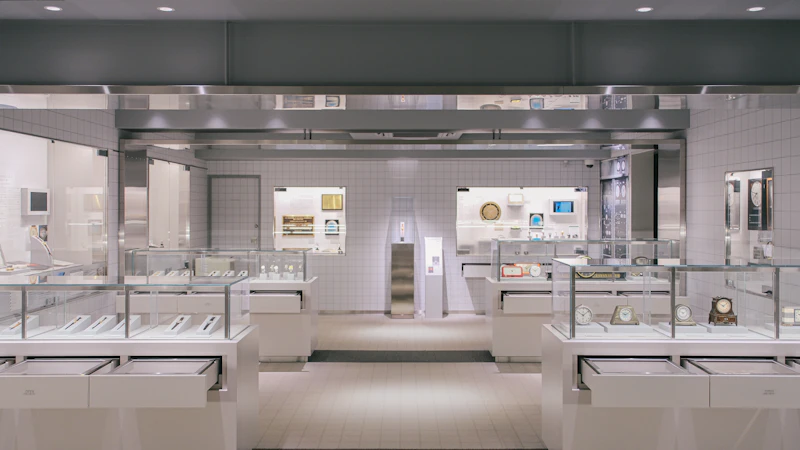
In grading, color is about the absence of anything that distracts. In jewelry marketing, it is about presentation that lets the piece speak. Buyers cannot touch a ring through a screen, so the photograph carries the sale, and the first impression often happens in Google Images rather than on your site.
What to shoot
- Every piece, on white and in context. A clean catalog image for the product page and at least one image on hand, on a neckline or on a wrist, so scale is obvious.
- Several angles. Profile views of settings, the gallery under the center stone, the inside of a band where a hallmark or karat stamp appears.
- Short video. A few seconds of a stone rotating under steady light shows brilliance better than any still.
- The bench and the people. Custom design and repair are trust purchases; show the workshop and the setter at work.
What to avoid
Retouching that changes a stone's apparent color or erases inclusions only manufactures disappointment at the counter. Stock photos of rings you do not carry are worse. Name image files descriptively and write alt text that describes the frame.
Photography is a discipline in its own right, and many of the same principles appear in our guide to photographer SEO in North Miami Beach.
Clarity: honest descriptions and pricing transparency
Clarity, in a diamond, is the measure of what is inside. On a jewelry website, clarity means copy that tells the buyer exactly what they are looking at. This is where good jewelry SEO and good compliance turn out to be the same project.
The Federal Trade Commission's Guides for the Jewelry, Precious Metals, and Pewter Industries (16 CFR Part 23) set out how these products should be described. A few provisions every jeweler's product copy should respect:
- Laboratory-grown stones. When a stone is laboratory-grown, the Guides call for the stone's name to be immediately preceded, with equal conspicuousness, by a qualifier such as "laboratory-grown," "laboratory-created" or "[manufacturer name]-created" (§ 23.25). The word "cultured" may describe a lab-created diamond only alongside a clear disclosure of that kind (§ 23.12). "Diamond Studs" in the headline with "lab-grown" in the fine print does not qualify.
- "Real," "genuine" and "natural." The Guides say these terms, along with "precious" and "semi-precious," should not be used for products that are manufactured or produced artificially (§ 23.27).
- Gold. The unqualified word "gold" is reserved for 24-karat gold. Anything else should carry its karat, as in "14 Karat Gold," with equal conspicuousness (§ 23.3). Plated, gold-filled and vermeil items have their own definitions and minimum standards in §§ 23.3 and 23.4.
For an honest store this is no burden; the website should simply say what the salesperson would say. Search engines reward specificity: "14K white gold oval laboratory-grown diamond halo engagement ring" is both more compliant and far more likely to match a real search than "Stunning Diamond Ring."
On pricing
Jewelers often hesitate to publish prices. Yet buyers researching an engagement ring want at least a sense of range before committing an afternoon to a visit. A "starting at" price, a price range per collection, or published fees for common repairs (sizing, battery replacement, prong retipping) answers the question without boxing you in.
Carat: authority through content, links and reviews
Carat is weight, and in search, weight means authority. It is the factor most often faked and the one that most rewards patience.
Content that a buyer actually wants
Write the guides your staff already deliver across the counter:
- Natural versus laboratory-grown diamonds, written plainly and fairly, with the FTC disclosure language explained.
- How to read a grading report, linking to GIA's own explanation of the 4Cs.
- What happens during a ring resizing, and which rings cannot be resized easily.
- Caring for jewelry in a humid, coastal climate.
- What to expect when selling gold, including why you will be asked for identification.
These answer the long, specific questions people type into search and AI assistants, give staff something to send after a consultation, and make the store linkable.
Links worth earning
Jewelers sit at the center of a natural referral network: wedding planners, photographers, venues, florists, bridal boutiques, insurance agents and estate attorneys. Our posts on wedding planner SEO and florist SEO in North Miami Beach describe the same network from the other side of the counter. For the broader picture of which links matter and which are a waste of money, see what actually works in link building.
Reviews
A jewelry purchase is personal, which makes reviews unusually persuasive. Ask after the moments that matter: the ring is picked up, the heirloom is restored, the watch runs again. Send a direct review link, never offer anything in exchange for a review, and reply to every review with the measured courtesy you would extend in the showroom. A gracious reply to a disappointed customer is read by every future buyer who scrolls past it.

Certificate: credentials, policies and schema
A fine stone travels with its report. A fine store should travel with its own proof: who you are, what you are qualified to do and what you promise.
Credentials on the page
If your staff hold gemological diplomas, appraisal designations or manufacturer service authorizations, state them on the relevant pages, with the person's name and photo. Do not claim a credential or authorized-dealer status you do not hold; it turns an asset into a liability. Publish your policies too: returns, resizing, warranties, repair liability and how items left in your care are protected.
Structured data
Schema markup is the certificate search engines can read. The schema.org JewelryStore type is a specific kind of Store and LocalBusiness, so it can carry your name, address, phone, hours, geo coordinates and links to your profiles. On product pages, Google's merchant listing structured data guidance explains how Product markup with an Offer (name, image, price and currency among the essentials) can make purchasable items eligible for richer results such as product snippets and Google Images listings. Google notes that merchant listings are for pages where a shopper can actually buy the product, so an inquiry-only custom design page is not a candidate. Our explainer on how schema helps search engines covers the mechanics.
A note on buying gold: Florida's rules belong on the page
"Sell gold near me" is a valuable search, and it carries obligations. Florida regulates businesses that regularly buy used precious metals for resale under Chapter 538 of the Florida Statutes, which covers secondhand dealers. In general terms, the chapter calls for registration with the Florida Department of Revenue, a completed transaction record with the seller's identification, and a holding period before purchased precious metals and jewelry can be resold.
The details are for you and your attorney, not your web copy. What belongs on the page is a calm explanation of what the seller should expect: bring a government-issued photo ID, expect the item to be tested and weighed in front of you, and understand that the store keeps records as state law requires. This reassures honest sellers and distinguishes an established store from a pop-up buyer.
Your Google Business Profile and local SEO in Miami
For most local searches, the map results appear before the website results. That makes the Google Business Profile the store's window display. Google's guidelines for representing your business are specific: the business name should match the real-world name on your signage, without added keywords or location phrases; the address must be a real location, not a P.O. box or virtual office; and you should use as few categories as accurately describe the core business. A retail jeweler with a showroom is not a service-area business, so the address should be visible.
Within those rules, there is plenty to do well:
- Choose the most accurate primary category and add secondary categories only for services you genuinely offer, such as watch repair.
- Fill in hours carefully, including holiday hours.
- Add fresh photos and short videos regularly, drawn from the same library as your website.
Our step-by-step guide to the Google Business Profile for North Miami Beach businesses walks through setup in detail. Remember, too, that local SEO in Miami is not one market: buyers in North Miami Beach, Aventura and Sunny Isles Beach search differently and travel differently. Our North Miami Beach SEO service is built around precisely this neighborhood-level work.
Putting the grade together
If you are deciding where to begin, a reasonable order:
- Certificate first, because it is quick: claim and correct the Business Profile, publish your policies and credentials, add JewelryStore markup.
- Clarity next: review every product description against the FTC Guides.
- Cut: build out the category and service pages from the table above, one at a time, starting with whichever service brings the most revenue.
- Color: reshoot the pieces and pages that matter most.
- Carat: begin the guides, the review requests and the vendor relationships.
This is the kind of patient, structural work our local SEO team does for retailers whose products deserve better than a single gallery page. If you would like a candid assessment of where your store grades today, request a free SEO audit and we will tell you plainly what we find, including what is already working.
Frequently asked questions
What is SEO for jewelers?
SEO for jewelers is the work of making a jewelry store appear when nearby buyers search for engagement rings, fine jewelry, custom design, repair, watch service, appraisals or gold buying. It typically includes dedicated category and service pages, strong photography, accurate product descriptions, a well-kept Google Business Profile, reviews, useful content and structured data.
How should a jewelry website describe lab-grown diamonds?
The FTC Jewelry Guides (16 CFR Part 23) call for laboratory-grown stones to be described with a qualifier such as "laboratory-grown," "laboratory-created" or "[manufacturer name]-created" immediately before the stone's name and with equal conspicuousness. Terms like "real," "genuine" and "natural" should not be used for manufactured stones.
Should a jewelry store publish prices online?
Usually, at least in part. Starting prices, price ranges by collection or published fees for common repairs help buyers decide to visit without locking you into quotes. Where a price truly depends on metal markets or design choices, explain how quotes are prepared instead.
Can I add "North Miami Beach" or "engagement rings" to my Google Business Profile name?
Not unless those words are part of your real-world business name. Google's guidelines say the profile name should match the name on your signage and stationery, and adding unnecessary information such as locations or service keywords can lead to suspension.
Does a jeweler who buys gold need to mention Florida law on the website?
It is good practice. Florida regulates secondhand dealers who buy precious metals under Chapter 538 of the Florida Statutes. A short, plain explanation of what sellers should bring and expect, such as a government-issued photo ID and a recorded transaction, reassures honest sellers. Confirm the specific requirements for your business with an attorney.